Big questions, practical takeaways
Best Philosophy Books for Real Life
This list focuses on philosophy books you can actually apply to decisions, habits, and perspective.
If you want thought-provoking books that still connect to daily life, this shelf is the right lane.
Quick guide
Best for
How we narrowed it down
How the top picks differ
Top picks
Quick-read reasons, strong internal links, and a fast price check when you are ready.

#1
Top pickBERGSONIAN PHILOSOPHY AND THOMISM (VOL.1) (THE COLLECTED WORKS OF JACQUES MARITAIN )
Jacques Maritain collects essays exploring how Bergson’s ideas about duration and intuition interact with Thomist metaphysics, tracing where modern psychological notions meet classical Christian philosophy.
Why it made the list
- Maritain examines Bergson’s concept of duration, showing how lived time and intuitive knowledge challenge and can be read alongside Aquinas’s ideas about being and causality.
- The book includes close readings of Thomistic themes—like the nature of the soul and intellectual knowledge—so readers see concrete comparisons between medieval metaphysics and early 20th-century philosophy.
#2
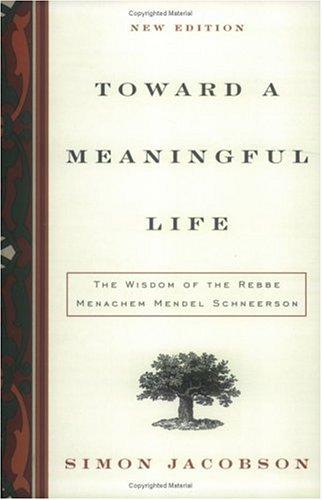
Top pickToward a Meaningful Life: The Wisdom of the Rebbe Menachem Schneerson
Simon Jacobson distills the teachings and stories of Rabbi Menachem Schneerson to show how Jewish mystical and ethical ideas can be applied to everyday choices about work, family, and personal growth.
Why it made the list
- The book uses specific Rebbe teachings and anecdotes—like practical lessons on anger, prayer, and parenting drawn from Schneerson’s talks—to turn abstract religious ideas into everyday actions.
- Jacobson organizes material around real-life challenges such as finding purpose in work and building strong family bonds, so readers see concrete ways the Rebbe’s guidance speaks to modern problems.
#3
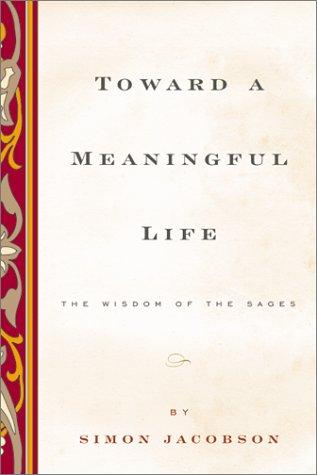
Top pickToward a Meaningful Life, New Edition: The Wisdom of the Sages
Simon Jacobson adapts classic Jewish ethical teachings into practical lessons for modern life, using stories, interpretations of Torah passages, and everyday examples to show how ancient sages addressed worry, purpose, and relationships.
Why it made the list
- The book uses short stories about biblical figures and rabbinic sages to illustrate concrete moral lessons, so readers see how the teachings apply to common problems like guilt, anger, and decision-making.
- Jacobson consistently ties each chapter back to a clear spiritual practice or mindset—such as reframing suffering or cultivating gratitude—grounding abstract ideas in specific behaviors drawn from Jewish sources.
#4
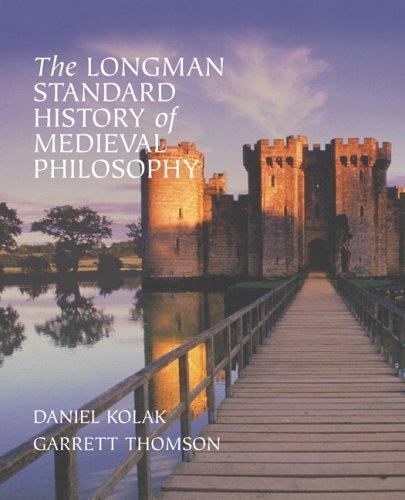
The Longman Standard History of Medieval Philosophy
A clear survey of medieval philosophy that walks from late antiquity through Scholastic thinkers, focusing on how thinkers like Augustine, Boethius, Anselm, Abelard, Aquinas, and William of Ockham handled God, knowledge, and ethics in their historical settings.
Why it made the list
- The book centers on primary medieval figures such as Augustine’s theological questions, Anselm’s ontological argument, and Aquinas’s synthesis of Aristotle with Christian doctrine, so you see the actual debates that shaped medieval thought.
- Kolak and Thomson place each philosopher in historical context, showing how monastic learning, cathedral schools, and the rise of universities changed questions about faith, reason, and natural law across the Middle Ages.
#5
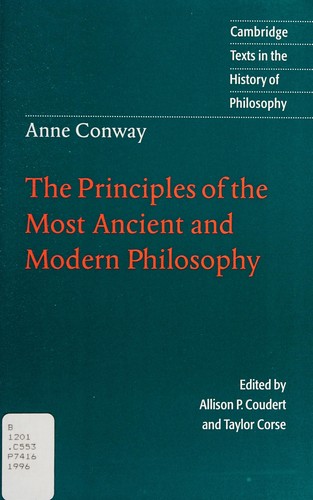
Anne Conway: The Principles of the Most Ancient and Modern Philosophy (Cambridge Texts in the History of Philosophy)
This Cambridge Texts edition brings Anne Conway’s short seventeenth‑century work, The Principles, with an introduction and notes by Allison Coudert that clarify Conway’s anti‑mechanist, monistic metaphysics for modern readers.
Why it made the list
- Conway argues against mechanical philosophy by proposing a world of gradations of spirit and matter, so the book is useful if you want to read a primary statement of a non‑reductionist metaphysics.
- Coudert’s introduction and notes point out Conway’s connections to contemporaries like Henry More and her distinctive use of relational substance, which helps you see how her ideas fit into early modern debates about mind and body.

#6
Discover Your Inner Wisdom: Using Intuition, Logic, and Common Sense to Make Your Best Choices
Margaret St. George teams up with psychic Char Margolis to argue that intuition, common sense, and basic logic can work together when you face everyday choices, using real-life anecdotes, questions to try, and short exercises grounded in Margolis's psychic readings and St. George's practical examples.
Why it made the list
- The book centers on Margolis's concrete psychic-reading stories—clients, personal decisions, and specific moments of insight—which show how gut feelings can be tested against facts rather than treated as mysterious instincts.
- St. George adds step-by-step prompts and short exercises that push readers to list evidence, ask targeted questions, and compare intuitive hits with logical checks, making the method practical for decisions like career moves or relationship

#7
The Cost of Comfort (Studies in Social, Political and Legal Philosophy)
John Lachs examines how ordinary comforts—like stable jobs, local communities, and everyday politeness—shape moral life and political choices, arguing that small social goods matter for justice and personal flourishing.
Why it made the list
- Lachs uses concrete examples from American small-town life and family relationships to show how local attachments influence political duties and moral decisions.
- The book combines clear philosophical essays with real-world concerns about work, community ties, and civic responsibility, making abstract ideas feel rooted in daily choices.
#8
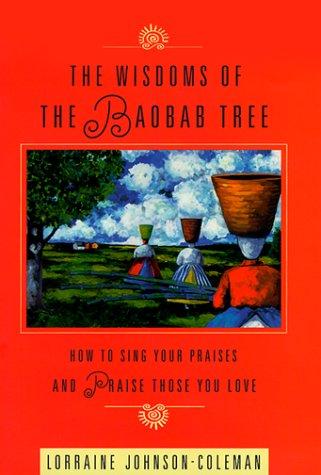
The Wisdoms of the Baobab Tree
The Wisdoms of the Baobab Tree collects short, story-like essays that draw life lessons from African folktales, household moments, and the baobab tree as a steady listener and symbol of community memory.
Why it made the list
- Johnson-Coleman uses the baobab tree as a repeated image to explore how family stories and elders pass practical wisdom across generations in everyday settings.
- Many pieces turn small domestic scenes—meals, neighbor visits, a child’s question—into reflections on patience, respect, and resilience rooted in West African storytelling traditions.
#9
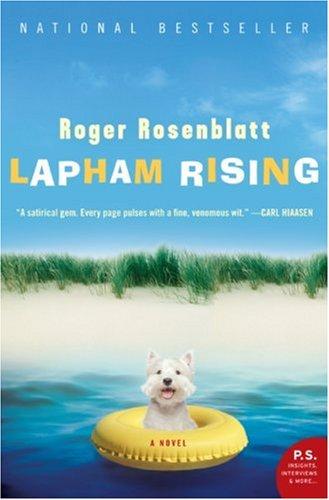
Lapham Rising
A collection of short, essayistic pieces in which Roger Rosenblatt reflects on aging, caregiving, memory, and the small acts that give late life meaning.
Why it made the list
- Rosenblatt writes from direct experience of caregiving and loss, using concrete scenes—family conversations, hospital rooms, and everyday routines—to explore how identity changes with memory.
- The book’s linked essays mix wry humor and close cultural observation, so you get both quiet jokes about small rebellions and serious meditations on resilience without a single linear memoir plot.
#10
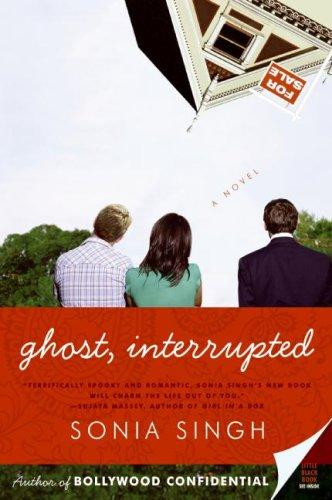
Ghost, Interrupted
Journalist Sonia Singh traces the death of a young woman in India through reporting, interviews, and personal reflection, mixing courtroom detail, neighborhood portraits, and the author's own moral questions about responsibility and grief.
Why it made the list
- Singh spends time reconstructing the woman’s last days and the reactions of her family and neighbors, so readers see how private sorrow collides with public institutions in a specific Indian town.
- The book shifts between investigative reporting, courtroom scenes, and intimate profiles, giving a close look at how police, hospitals, and local journalists respond when a vulnerable life is lost.
More reader guides worth opening next
Use these follow-up guide links when you want a tighter shelf around the same reading mood.