
Best Philosophy Books for Real Life
This list focuses on philosophy books you can apply to decisions, habits, and perspective.
Top pick
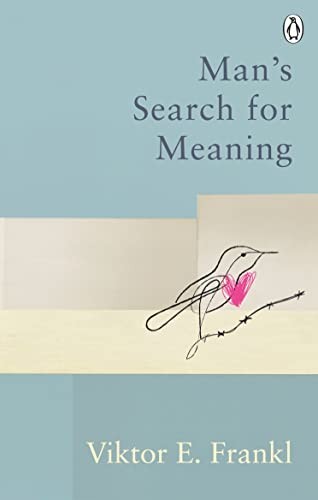
Man's Search for Meaning
This edition pairs personal testimony and a clear therapeutic idea: Frankl’s approach is rooted in lived experience rather than abstract theorizing alone.
Check current price and availability on Amazon.
Buy Now on Amazon#2 pick
Plato, Not Prozac!: Applying Eternal Wisdom to Everyday Problems
Unlike a clinical self-help book, Marinoff focuses on applying named philosophers and dialogues as tools for personal problem-solving.
Check current price and availability on Amazon.
Buy Now on Amazon#3 pick
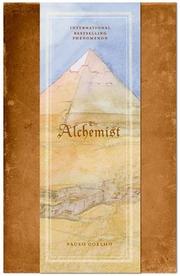
The Alchemist
Unlike denser philosophy texts, it teaches through simple episodes—a sheep pasture, a shattered crystal display, a sandstorm—so ideas land through image and fable.
Check current price and availability on Amazon.
Buy Now on Amazon#1
Top pickMan's Search for Meaning
Viktor E. Frankl combines a terse Holocaust memoir with the outline of logotherapy, arguing that finding meaning—even in suffering—keeps people alive and helps them rebuild life after trauma.
Best for readers who want a compact, real-life account of resilience and a practical philosophy for making sense of hardship.
Why it made the list
- Frankl writes from firsthand experience in Nazi concentration camps, using concrete scenes of daily survival to show how meaning could be found amid extreme deprivation.
- Alongside memoir passages, Frankl lays out logotherapy’s central idea that the will to meaning, not pleasure or power, drives human behavior and offers specific ways to reframe suffering.
This edition pairs personal testimony and a clear therapeutic idea: Frankl’s approach is rooted in lived experience rather than abstract theorizing alone.
Check current price and availability on Amazon.
Buy Now on Amazon Read more about Man's Search for Meaning#2
Top pickPlato, Not Prozac!: Applying Eternal Wisdom to Everyday Problems
Lou Marinoff argues that classical philosophy can be used as practical therapy, using case studies and the idea of applying thinkers like Socrates, Aristotle, and Confucius to everyday dilemmas.
Best for readers wrestling with moral choices, work stress, or relationship conflicts will find Marinoff's clear examples of philosophical counseling and named thinkers useful.
Why it made the list
- Marinoff uses real client vignettes to show how a Socratic dialogue can help people reframe relationship and career problems.
- The book lays out concrete methods such as choosing a philosophical perspective (Stoic endurance, Aristotelian balance, or Confucian duty) to guide decisions rather than relying solely on psychiatric drugs.
Unlike a clinical self-help book, Marinoff focuses on applying named philosophers and dialogues as tools for personal problem-solving.
Check current price and availability on Amazon.
Buy Now on Amazon Read more about Plato, Not Prozac!: Applying Eternal Wisdom to Everyday Problems#3
Top pickQuick commitmentThe Alchemist
Paulo Coelho’s fable follows Santiago, an Andalusian shepherd who chases a recurring dream from a church ruin in Spain to the pyramids of Egypt, learning to read omens, trust his heart, and listen to the Soul of the World.
Best for readers seeking a short, reflective story that offers practical life hints through parable—omens, beginner’s luck, and the language of the world—rather than step-by-step advice.
Why it made the list
- Santiago’s trek across the Sahara, from the crystal shop in Tangier to the Al-Fayoum oasis, turns big ideas like fate and free will into simple scenes you can picture.
- The idea of a Personal Legend, taught by the mysterious king Melchizedek and tested by the alchemist in the desert, gives a clear, memorable way to think about purpose and risk.
Unlike denser philosophy texts, it teaches through simple episodes—a sheep pasture, a shattered crystal display, a sandstorm—so ideas land through image and fable.
Check current price and availability on Amazon.
Buy Now on Amazon Read more about The Alchemist#4
Quick commitmentThere's No Such Place As Far Away
Richard Bach’s short illustrated parable follows a grieving father as he learns that love and memory keep someone near even after death, using simple prose and soft images to turn loss into a quiet lesson about presence.
Best for readers who want a short, gentle reflection on bereavement and remembrance will find the book’s fable-like voice and the father’s acceptance arc helpful.
Why it made the list
- The book centers on a bereaved father's inner journey and a consoling line of thought that those we love are not truly far away, which makes its theme of connection very concrete.
- Bach pairs spare, poetic sentences with gentle illustrations to make abstract ideas about grief and meaning feel tangible and easy to hold in a single reading.
Unlike analytic books about mourning, Bach’s tale uses a fictional father’s story and soft imagery to offer a poetic, metaphysical take on presence after loss.
Check current price and availability on Amazon.
Buy Now on Amazon Read more about There's No Such Place As Far Away#5
Quick commitmentThe Four Loves
C.S. Lewis examines four distinct kinds of love—storge (affection), philia (friendship), eros (romantic desire), and agape (charitable love)—using examples from literature, theology, and everyday life to show both their strengths and dangers.
Best for readers who want thoughtful reflections on marriage, friendship, and Christian charity will find Lewis’s mix of philosophy, literary examples, and theological insight especially useful.
Why it made the list
- Lewis uses concrete examples like classical myths and Bible stories to show how eros can elevate or consume a person, giving a clear picture of romantic desire’s risks and rewards.
- His chapter on philia focuses on friendship as a distinct moral force, describing how shared activities and loyalty shape character in ways that are neither romantic nor merely familial.
Unlike clinical treatments of love, Lewis blends personal observation, literary quotation, and Christian doctrine to analyze each kind of attachment.
Check current price and availability on Amazon.
Buy Now on Amazon Read more about The Four Loves#6
The consolation of philosophy
Written as a prison dialogue, Boethius’s Consolation of Philosophy pairs a personal crisis with calm philosophical argument about fortune, free will, and true happiness, alternating prose and poetry as Lady Philosophy guides him toward inner steadiness.
Best for readers who like reflective, dialog-style writing and want a classical take on how to stay morally steady when life falls apart.
Why it made the list
- Its setting—Boethius alone and awaiting execution—makes the discussion of Fortune and the wheel feel immediate and urgent rather than abstract.
- The book stages a back-and-forth between Boethius and Lady Philosophy, so the reader gets concrete debates about whether suffering can coexist with providence and how virtue relates to happiness.
Unlike modern self-help, Boethius mixes metaphysics, theology, and poetic passages to argue that true good is internal and immune to Fortune’s changes.
Check current price and availability on Amazon.
Buy Now on Amazon Read more about The consolation of philosophy#7
THE COURAGE TO BE DISLIKED
Ichiro Kishimi and Fumitake Koga stage a Socratic dialogue between a questioning youth and a pragmatic philosopher to teach Alfred Adler’s idea that freedom comes when you stop chasing other people’s approval.
Best for readers who want a conversational, idea-driven way to practice Adler’s methods—like separating your own tasks from others’ and building community feeling—will find clear, repeatable prompts here.
Why it made the list
- The book uses a back-and-forth conversation that turns Adler’s concepts—such as the ‘tasks of life’ and ‘community feeling’—into concrete challenges the youth must try in everyday relationships.
- Kishimi and Koga directly confront modern pressures like social-media performance by applying Adlerian claims about self-worth and the courage to accept being disliked.
Unlike academic Adler texts, this 2026 Atria edition keeps the material as a staged dialogue that focuses on personal choice, the courage to refuse approval-seeking, and concrete social situations.
Check current price and availability on Amazon.
Buy Now on Amazon Read more about THE COURAGE TO BE DISLIKED#8
Letters from a Stoic: Epistulae Morales ad Lucilium
A modern English translation of Seneca’s letters to his friend Lucilius, offering short essays on grief, anger, wealth, death, and self-control written as practical moral advice.
Best for readers who want short, reflective pieces that combine clear ethical rules with examples from Roman life and nature will find these letters immediately useful.
Why it made the list
- Seneca writes as a tutor in letter form, so each entry is a compact moral lesson that uses concrete images like the sea, travel, and money to explain how to keep calm under pressure.
- Many letters focus on handling specific troubles — for example, Seneca counsels on grieving a loss, managing anger, and resisting luxury — which makes the ideas easy to test in daily life.
Unlike systematic philosophical treatises, these are personal letters that mix moral theory with practical anecdotes and everyday images drawn from Seneca’s Roman world.
Check current price and availability on Amazon.
Buy Now on Amazon Read more about Letters from a Stoic: Epistulae Morales ad Lucilium#9
Momma and the Meaning of Life
Irvin D. Yalom mixes personal essays, case stories, and reflections on mortality to explore how ordinary people and therapists confront death, meaning, and regret in everyday life.
Best for readers who want practical, human examples of existential therapy will appreciate Yalom's concrete cases and his plain discussions of death, loneliness, and responsibility.
Why it made the list
- Yalom draws on his work with real patients and his own experiences as a therapist to show how conversations about death and 'ultimate concerns' can change how someone lives now.
- The book uses intimate scenes from Yalom's group therapy sessions and his relationship with his mother to link family ties and personal history to questions about meaning and aging.
Unlike academic texts, Yalom blends memoir moments about his mother with clinical case vignettes to show how therapy tackles real-life worries about meaning and mortality.
Check current price and availability on Amazon.
Buy Now on Amazon Read more about Momma and the Meaning of Life#10
The Nicomachean Ethics of Aristotle
Aristotle's Nicomachean Ethics examines how people can live well by developing virtues like courage, temperance, and practical wisdom through habits and right action in city life and personal relationships.
Best for readers who want clear, idea-driven discussions about virtues, practical wisdom, and the role of habits in shaping character will find Aristotle's approach useful.
Why it made the list
- Aristotle centers the idea of eudaimonia, or human flourishing, arguing that happiness comes from practicing virtues such as phronesis (practical wisdom) in daily choices rather than from pleasure or wealth.
- The book lays out concrete moral traits—justice, friendship, courage—and shows how they play out in civic life and private relationships, making ethical ideas tied to real decisions and social roles.
Unlike modern ethics books that use experiments or case studies, Aristotle builds arguments from observations about human behavior, social roles, and the nature of choice.
Check current price and availability on Amazon.
Buy Now on Amazon Read more about The Nicomachean Ethics of Aristotle



Questions about this guide
How do I choose from Best Philosophy Books for Real Life?
Start with the first few picks, then use the short notes under each book to match the book to your mood, reading time, and preferred style.
Are these books good to buy as gifts?
Many of these picks work well as gifts because the list favors books with clear appeal, recognizable hooks, and enough information to choose quickly.
What makes a nonfiction book worth buying?
A worthwhile nonfiction book gives you a clear idea, useful examples, and something you can remember or apply after you close it.
Related guides worth comparing
How to use this guide
Who this list is for
- Readers who want a tighter starting shelf for Best Philosophy Books for Real Life instead of a bloated browse page.
- A good fit if you want the page to steer you toward clearer entry points instead of the hardest books first.
- This page leans toward books people can use, apply, or recommend with confidence.
Compare the leading picks
- Man's Search for Meaning is the better start if you want best for readers who want a compact, real-life account of resilience and a practical philosophy for making sense of hardship; Plato, Not Prozac!: Applying Eternal Wisdom to Everyday Problems makes more sense if you want readers wrestling with moral choices, work stress, or relationship conflicts will find Marinoff's clear examples of philosophical counseling and named thinkers useful.
- If you want the lighter commitment, start with There's No Such Place As Far Away; if you want more depth, move to The Nicomachean Ethics of Aristotle.
- The Alchemist stands apart because it is unlike denser philosophy texts, it teaches through simple episodes—a sheep pasture, a shattered crystal display, a sandstorm—so ideas land through image and fable.
How we chose
- We keep these guide pages tight at 7 to 15 books so the list stays useful instead of turning into catalog sprawl.
- We favor cleaner editions, stronger reader response, and books with enough substance to justify the click.
- We push down fiction bleed, school editions, placeholder listings, and weak records that do not hold up as recommendations.
- Every page is capped on purpose: if a book does not clearly help the shelf, it stays off the page.