
Best Book Club Books That Spark Great Discussion
This shelf is tuned for books that give groups something real to discuss, not just easy agreement.
Top pick
Holy Skirts: A Novel of a Flamboyant Woman Who Risked All for Art (P.S.)
Unlike novels that treat art as background, Steinke makes the artist's work and public performances central to plot and theme, so conversations can hinge on particular artworks and controversies in the book.
Check current price and availability on Amazon.
Buy Now on Amazon#2 pick
Terrorist
Unlike plot‑driven terror novels, Updike lingers on cafeteria conversations, Quran lessons, and the faded streets of New Prospect to show belief hardening in ordinary places.
Check current price and availability on Amazon.
Buy Now on Amazon#3 pick
Mysteries of Pittsburgh: A Novel (P.S.) [Paperback]
Unlike plot-driven coming-of-age tales, Chabon centers ordinary conversations, small betrayals, and the texture of city life to examine how identity forms over a single summer.
Check current price and availability on Amazon.
Buy Now on Amazon#1
Top pickHoly Skirts: A Novel of a Flamboyant Woman Who Risked All for Art (P.S.)
Rene Steinke's Holy Skirts centers on a flamboyant artist who pushes against family expectations, church rules, and public outrage as she pursues art and identity across intimate scenes and public scandals.
Best for Book clubs that want to debate gender expression and artistic risk, using the protagonist's bold performances and clashes with religious authorities as concrete touchpoints.
Why it made the list
- The novel traces the artist's clashes with conservative church leaders and moments of public scandal, which spark sharp conversations about censorship and art in a small-town setting.
- Steinke draws vivid portraits of family tension and generational conflict, letting readers discuss how duty to family and the need for creative freedom collide in specific relationships and scenes.
Unlike novels that treat art as background, Steinke makes the artist's work and public performances central to plot and theme, so conversations can hinge on particular artworks and controversies in the book.
Check current price and availability on Amazon.
Buy Now on Amazon Read more about Holy Skirts: A Novel of a Flamboyant Woman Who Risked All for Art (P.S.)#2
Top pickTerrorist
John Updike’s Terrorist follows Ahmad Ashmawy Mulloy, a Muslim high school senior in a decaying New Jersey factory town, as he falls under the sway of a strict imam and a radical driver. Updike sets Ahmad’s faith and doubts against strip malls, broken families, and a weary guidance counselor who tries to pull him toward college instead of violence.
Best for readers who want a clear, literary look at post‑9/11 radicalization in small‑town New Jersey, with close attention to prayer, scripture, and the pull of family and school.
Why it made the list
- Ahmad’s bond with Shaikh Rashid and the used‑furniture truck job with Charlie Chehab show step‑by‑step how a suburban teen can be steered toward a plot, not through action scenes but through sermons, errands, and small tests of loyalty.
- The uneasy friendship between Ahmad and Jack Levy, his cynical Jewish guidance counselor, turns into the book’s moral core, as their talks about God, America, and duty build to a tense final choice in a New York tunnel.
Unlike plot‑driven terror novels, Updike lingers on cafeteria conversations, Quran lessons, and the faded streets of New Prospect to show belief hardening in ordinary places.
Check current price and availability on Amazon.
Buy Now on Amazon Read more about Terrorist#3
Top pickMysteries of Pittsburgh: A Novel (P.S.) [Paperback]
Michael Chabon’s Mysteries of Pittsburgh follows recent college grad Art Bechstein as he spends a summer drifting through Pittsburgh’s neighborhoods, tangled relationships, and late-night conversations while trying to figure out who he is and what he wants.
Best for readers who like close character study and witty, observant narration about youth will enjoy Art’s interior doubts and the novel’s honest look at sexual discovery.
Why it made the list
- Art’s love triangle with Cleveland and Joe offers sharp scenes about desire, jealousy, and identity that spark discussion about sexual ambiguity and changing loyalties.
- Chabon’s vivid use of 1980s Pittsburgh — from steel mills to shadowy riverfronts and neighborhood bars — gives readers concrete settings to talk about how place shapes a young person’s choices.
Unlike plot-driven coming-of-age tales, Chabon centers ordinary conversations, small betrayals, and the texture of city life to examine how identity forms over a single summer.
Check current price and availability on Amazon.
Buy Now on Amazon Read more about Mysteries of Pittsburgh: A Novel (P.S.) [Paperback]#4
Anansi Boys
When Fat Charlie Nancy discovers his father was the spider-god Anansi, his quiet London life unravels into a messy, laugh-out-loud clash with his charming, troublemaking brother Spider, mixing West African folktales with everyday modern life.
Best for readers who want to talk about family inheritance, cultural roots, and how myth changes when it moves into a modern city will find lots to debate here.
Why it made the list
- Neil Gaiman uses the character Spider—Anansi’s charismatic, reckless son—to drive comic conflict and expose family secrets tied to West African folklore.
- The book sets ordinary London scenes, like pubs and office work, against surreal moments of magic and talking spiders, which makes discussions about belief and identity feel grounded and surprising.
Unlike straight folklore retellings, Anansi Boys keeps a comic, conversational voice and focuses on sibling rivalry and personal awkwardness as much as on mythic stakes.
Check current price and availability on Amazon.
Buy Now on Amazon Read more about Anansi Boys#5
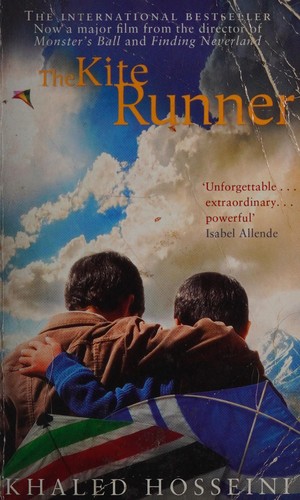
The Kite Runner
Amir grows up in Kabul with his loyal friend Hassan, then spends decades haunted by a single betrayal as Afghanistan moves from peaceful streets to war and exile.
Best for Book groups that like character-driven stories with clear moral dilemmas and visceral scenes set in Kabul and in immigrant life in California.
Why it made the list
- The novel centers on a childhood kite-fighting tournament that leads to a violent act against Hassan, a concrete plot event that drives every later choice and fuels deep moral questions.
- Hosseini places intimate family scenes alongside real historical changes in Afghanistan, so readers can talk about how personal guilt and national upheaval shape the same characters.
Unlike many political histories, this book ties historical events to a single family's interior life, making history feel immediate through Amir’s memory and guilt.
Check current price and availability on Amazon.
Buy Now on Amazon Read more about The Kite Runner#6
Son of a Witch A Novel
Gregory Maguire returns to Oz through Liir, the uncertain boy linked to Elphaba, as he searches for who he is amid ruined Emerald City politics, Quadling border wars, and the secretive order of the Mauntery. The story blends memory and rumor, asking whether Liir is truly the Witch’s son while he learns to command the Goose from Kiamo Ko and faces the Wizard’s aftermath.
Best for readers who want a moody, character-driven return to Oz that follows Liir’s shaky growth, the Cape Terrible mission, and the rebuilding of the Emerald City’s order.
Why it made the list
- Liir’s quest after Elphaba’s fall—through Southstairs prison, the Mauntery, and the Vinkus—gives book clubs concrete places and moral knots to debate, especially his guilt over the Princess Nastoya and his messy attempts at rescue.
- Maguire’s political Oz, with Quadling refugees, the Scrow and Glikkuns, and the Animal–human tensions, invites talk about power, propaganda, and who gets to write history after the Wizard leaves.
Unlike Baum’s cheerful travels, this sequel uses a haunted, lyrical voice to probe Elphaba’s legacy, the moral cost of rebellion, and the gray spaces around Liir’s choices.
Check current price and availability on Amazon.
Buy Now on Amazon Read more about Son of a Witch A Novel#7
Queen of Babble: A Novel
Meg Cabot’s Queen of Babble follows Lizzie Barrett, a relentlessly chatty young woman whose nonstop commentary leads to romantic misunderstandings, family clashes, and moments of real growth in a breezy, first-person voice set against mid-2000s dating scenes.
Best for readers who enjoy Meg Cabot’s quick, snappy first-person voice and want to discuss how a single character’s speech habits affect relationships will find plenty to talk about.
Why it made the list
- Lizzie’s talkative narration turns ordinary moments—like awkward dates and gossip at family gatherings—into comic scenes that spark debate about when honesty becomes oversharing.
- The book frames dating and self-discovery through concrete situations—mismatched romantic expectations, sibling dynamics in Lizzie’s family, and workplace humiliation—that give book clubs specific scenes to discuss.
Unlike quieter romances, Queen of Babble centers on a heroine whose verbal impulses drive both the comedy and the conflicts, making talk itself a major theme.
Check current price and availability on Amazon.
Buy Now on Amazon Read more about Queen of Babble: A Novel#8
The Schopenhauer Cure
In The Schopenhauer Cure, psychiatrist Julius Hertzfeld faces his own mortality and invites his former patient, Philip Slate—now a devout follower of Arthur Schopenhauer—into his therapy group. The novel unfolds in San Francisco therapy rooms where Julius’s group confronts Philip’s cold, Schopenhauer-style detachment, testing whether pessimistic philosophy can mend real grief, guilt, and love.
Best for readers who want thoughtful dialogue where Schopenhauer’s The World as Will and Representation meets real people working through betrayal, aging, and the urge to change.
Why it made the list
- The group-therapy setting lets characters like Julius, Philip, and longtime member Bonnie clash over Schopenhauer’s ideas about will, suffering, and desire, turning abstract philosophy into raw, personal conflict.
- Yalom pairs Julius’s cancer diagnosis with Philip’s strict Schopenhauer regimen, so scenes about mortality, atonement, and intimacy bring the 19th‑century pessimist into present-day relationships.
Unlike most therapy novels, this one centers on a patient who evangelizes Schopenhauer inside the group, forcing practical tests of detachment, asceticism, and the limits of empathy.
Check current price and availability on Amazon.
Buy Now on Amazon Read more about The Schopenhauer Cure#9
The Zero: A Novel
Jess Walter’s The Zero follows an ordinary man whose life unravels after a single violent event forces him to confront secrets, loyalties, and choices in a small, closely connected community.
Best for Book groups that want to discuss how a compact crisis reshapes everyday lives, and to debate the protagonist’s decisions and their effects on named characters.
Why it made the list
- Walter builds tension around one pivotal incident that ripples through the protagonist’s relationships, so readers can dig into how that moment changes people like the protagonist’s friends and family.
- The novel mixes dark, wry humor with moral unease—Walter’s voice and the mid-2000s cultural details give concrete touchstones for conversation about tone and era.
Unlike blockbuster thrillers, The Zero keeps stakes personal and character-driven, using a single unraveling event and small-town ties to explore loyalty and consequence.
Check current price and availability on Amazon.
Buy Now on Amazon Read more about The Zero: A Novel#10
Charms for the Easy Life (P.S.)
Kaye Gibbons' Charms for the Easy Life follows a Southern woman who must rethink her marriage and family ties after an unexpected rupture, using quiet scenes in a small town to explore memory, gossip, and moral choices with wry, spare prose.
Best for readers who like novels about marriage and moral reckoning told in a restrained Southern style focused on characters and everyday details.
Why it made the list
- Gibbons writes in a plain, Southern voice that digs into marriage and domestic routines, so readers will find sharp scenes about household life and the slow work of re-evaluating a relationship.
- The novel sets its drama in a small-town community where local gossip and family history press on the main character, giving book clubs clear moments to discuss how memory and reputation shape decisions.
Unlike sweeping family sagas, Gibbons keeps the story tightly focused on one woman's interior life and the local town rhythms that push her toward change.
Check current price and availability on Amazon.
Buy Now on Amazon Read more about Charms for the Easy Life (P.S.)


![Cover image for Mysteries of Pittsburgh: A Novel (P.S.) [Paperback]](https://covers.openlibrary.org/b/isbn/9780060790592-M.jpg?default=false)



Questions about this guide
How do I choose from Best Book Club Books That Spark Great Discussion?
Start with the first few picks, then use the short notes under each book to match the book to your mood, reading time, and preferred style.
Are these books good to buy as gifts?
Many of these picks work well as gifts because the list favors books with clear appeal, recognizable hooks, and enough information to choose quickly.
How often is this list updated?
UPB refreshes these guide pages as catalog data, availability, and book recommendations change.
Related guides worth comparing
How to use this guide
Who this list is for
- Readers who want a tighter starting shelf for Best Book Club Books That Spark Great Discussion instead of a bloated browse page.
Compare the leading picks
- Holy Skirts: A Novel of a Flamboyant Woman Who Risked All for Art (P.S.) is the better start if you want best for book clubs that want to debate gender expression and artistic risk, using the protagonist's bold performances and clashes with religious authorities as concrete touchpoints; Terrorist makes more sense if you want a clear, literary look at post‑9/11 radicalization in small‑town New Jersey, with close attention to prayer, scripture, and the pull of family and school.
- If you want the lighter commitment, start with Charms for the Easy Life (P.S.); if you want more depth, move to Anansi Boys.
- Mysteries of Pittsburgh: A Novel (P.S.) [Paperback] stands apart because it is unlike plot-driven coming-of-age tales, Chabon centers ordinary conversations, small betrayals, and the texture of city life to examine how identity forms over a single summer.
How we chose
- We keep these guide pages tight at 7 to 15 books so the list stays useful instead of turning into catalog sprawl.
- We favor cleaner editions, stronger reader response, and books with enough substance to justify the click.
- We push down school editions, placeholder listings, obvious junk, and weaker lookalikes that make a page feel unfinished.
- Every page is capped on purpose: if a book does not clearly help the shelf, it stays off the page.