
Best Historical Fiction Books That Feel Real
This shelf favors historical fiction that feels lived-in and readable, not flat period dressing.
Top pick
All the Light We Cannot See
Unlike broad-sweep WWII epics, this book narrows to a few lives and vivid objects—a miniature model city, a mysterious radio transmission—to explore how ordinary people respond to extraordinary violence.
Check current price and availability on Amazon.
Buy Now on Amazon#2 pick
Odalisque
Unlike straight historical fiction, Odalisque mixes speculative machine intelligence and invented technologies into its Napoleonic-inspired geopolitics.
Check current price and availability on Amazon.
Buy Now on Amazon#3 pick
Slouching Toward NIRVana: New Poems
Unlike novels that reconstruct an era, Bukowski's poems rely on personal memory, barroom detail, and everyday objects to create a strong sense of place.
Check current price and availability on Amazon.
Buy Now on Amazon#1
Top pickAll the Light We Cannot See
Anthony Doerr follows Marie-Laure, a blind French girl living in wartime Saint-Malo, and Werner, a German radio prodigy, in a pair of slow, sensory narratives that converge around a secret transmission and the siege of the coastal town.
Best for readers who want lyrical, quiet wartime fiction centered on character, sensory description, and the emotional weight of small acts of courage will find this deeply satisfying.
Why it made the list
- Doerr's prose focuses on sensory detail, letting you feel Marie-Laure's tactile world through her model of Saint-Malo and the way sound guides her choices during air raids.
- The novel tracks Werner's moral struggle as his gift for fixing radios pulls him into Nazi service, showing how technical skill collides with conscience amid wartime pressure.
Unlike broad-sweep WWII epics, this book narrows to a few lives and vivid objects—a miniature model city, a mysterious radio transmission—to explore how ordinary people respond to extraordinary violence.
Check current price and availability on Amazon.
Buy Now on Amazon Read more about All the Light We Cannot See#2
Top pickOdalisque
Neal Stephenson’s Odalisque reimagines the Napoleonic era around Dominica, a brilliant prosthetics surgeon who becomes entangled in court intrigue, machine intelligence experiments, and international espionage.
Best for readers who want a strong central character—Dominica—and enjoy stories where prosthetic engineering and surgical procedure affect diplomatic outcomes.
Why it made the list
- Dominica’s work on mechanical prosthetics and surgical technique drives the plot and shows how medical invention shapes political power in Stephenson’s alternate 19th-century world.
- The book stages diplomatic maneuvering between rival nations and spycraft at court, so readers get steady scenes of negotiation, betrayal, and statecraft alongside scientific detail.
Unlike straight historical fiction, Odalisque mixes speculative machine intelligence and invented technologies into its Napoleonic-inspired geopolitics.
Check current price and availability on Amazon.
Buy Now on Amazon Read more about Odalisque#3
Top pickSlouching Toward NIRVana: New Poems
Charles Bukowski's Slouching Toward NIRVana collects his late-life poems about Los Angeles dives, aging, drink, and the small, rough moments between lovers and strangers.
Best for readers who want gritty street-level scenes of Los Angeles life and candid reflections on aging from a single, recognizable voice.
Why it made the list
- Many poems name real L.A. places and bars and use blunt language about drinking and working-class days, which makes the city feel lived-in and specific.
- Bukowski writes in short, direct lines about concrete things like typewriters, laundromats, and old girlfriends, so the book shows history through everyday objects and people rather than sweeping events.
Unlike novels that reconstruct an era, Bukowski's poems rely on personal memory, barroom detail, and everyday objects to create a strong sense of place.
Check current price and availability on Amazon.
Buy Now on Amazon Read more about Slouching Toward NIRVana: New Poems#4
The Pillars of the Earth
Ken Follett's The Pillars of the Earth is a sweeping medieval novel about the people who build a Gothic cathedral in the fictional town of Kingsbridge, following their lives across decades as war, politics, love, and craftsmanship reshape their fates.
Best for readers who enjoy long, character-driven sagas set in medieval England and who want a novel centered on the real challenges of building and running a cathedral community.
Why it made the list
- Follett goes deep into cathedral construction, showing stonecutters, masons, and master builders at work, so readers who like detailed craft and engineering in a historical setting will find it vivid and specific.
- The book ties personal dramas to bigger events—ambitious clergy, scheming nobles, and commoners all collide—so the story feels both intimate and politically charged across generations.
Unlike tighter political historical novels, Follett spends page after page on the practical work of building a cathedral and on multi-generational character arcs, giving the book a workshop-and-community feel as much...
Check current price and availability on Amazon.
Buy Now on Amazon Read more about The Pillars of the Earth#5
Look Homeward, Angel
Thomas Wolfe's Look Homeward, Angel follows Eugene Gant as he grows up in the fictional town of Altamont, tracing family tensions, small-town gossip, and his urgent drive to leave home and become a writer.
Best for readers who want long, lyrical passages about memory and youth and who enjoy books that read like intimate, extended letters from a single narrator.
Why it made the list
- Wolfe captures domestic conflict through Eugene's fraught relationship with his parents, especially his father, which shapes much of the book's emotional force.
- The novel is full of vivid place detail—Altamont's boarding houses, church meetings, and street scenes—that makes the setting feel like a living character.
Unlike shorter, plot-driven historical novels, Wolfe leans into interior life and social detail instead of a fast-moving external plot.
Check current price and availability on Amazon.
Buy Now on Amazon Read more about Look Homeward, Angel#6
The World Is Flat: A Brief History Of The Twenty-first Century
Thomas L. Friedman explains how the early 2000s saw the world “flatten” as tools like Netscape, workflow software, and open‑source code linked Bangalore, Beijing, and Boston into one supply chain. He visits places like Infosys in India and a Dell factory to show how outsourcing, offshoring, and just‑in‑time logistics changed work, politics, and opportunity.
Best for readers who want a reporter’s tour of early‑21st‑century globalization, from outsourcing in India to the rise of new competitors in China, and how software and supply chains tied them together.
Why it made the list
- Friedman’s “ten flatteners” walk through concrete forces like the fall of trade barriers, Wal‑Mart’s supply chain, and fiber‑optic cables that let a call center in Hyderabad fix a problem in Kansas overnight.
- The book mixes interviews—from Indian engineers at Infosys to entrepreneurs in China—with case studies like Dell’s build‑to‑order model to show how technology and trade rewired daily business.
Unlike dense economics texts, Friedman uses newsroom storytelling—airport lounges, factory floors, and tech offices—to explain why fiber optics, open‑source projects, and cheap computing mattered.
Check current price and availability on Amazon.
Buy Now on Amazon Read more about The World Is Flat: A Brief History Of The Twenty-first Century#7
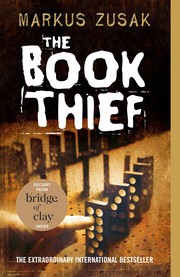
THE BOOK THIEF
Markus Zusak's The Book Thief follows Liesel Meminger, a foster girl in Nazi Germany who steals books and learns how words can save and wound, all narrated by Death in spare, poetic language.
Best for readers who want character-driven wartime stories about language, memory, and quiet courage will appreciate Liesel's growth and her relationships with Hans Hubermann and Rosa Hubermann.
Why it made the list
- The novel shows how Liesel's secret book-stealing and her friendship with Max Vandenburg, a Jewish man hidden in her foster family's basement, turn private acts into moral resistance during wartime.
- Death's voice as narrator and Zusak's lyrical, fragmentary sentences give ordinary scenes—midnight reading, bombing raids, a small-town parade—a haunting and intimate immediacy.
Unlike typical WWII novels, this book uses an unconventional narrator (Death) and focuses on how books and words sustain people like Liesel and Max rather than military action.
Check current price and availability on Amazon.
Buy Now on Amazon Read more about THE BOOK THIEF#8
The Help
Set in 1960s Jackson, Mississippi, The Help follows the lives of Black maids and the white women they work for as a secret project forces private truths into the open and tests friendships across a rigid social order.
Best for readers who want a voice-driven story about female friendship and the hidden labor of Black women in the South will find the book's intimate scenes and moral tensions compelling.
Why it made the list
- Stockett writes in distinct, colloquial voices—most notably Aibileen and Minny—so you hear how domestic work feels from the women who do it and how Southern white society responds.
- The novel uses a risky, grassroots project—interviews collected by Skeeter—to expose everyday racism and the small acts of courage that push a town toward change.
Unlike many historical novels that focus on public events, The Help centers on kitchen conversations, gossip, and domestic details to reveal how racism operates in everyday life.
Check current price and availability on Amazon.
Buy Now on Amazon Read more about The Help#9
A Little Bit Wicked (Last Man Standing, Book 1)
Victoria Alexander's A Little Bit Wicked is a Regency romance where spirited Sophie and the rakish Ari spar through drawing-room scandals, matchmaking plots, and witty banter as they hide and reveal secrets about family and reputation.
Best for readers who enjoy Regency drawing rooms, clever verbal sparring between leads, and a romance built around secrets about family and social standing.
Why it made the list
- Sophie’s sharp tongue and insistence on protecting her reputation drive much of the plot and give readers a clear window into Regency social rules and gossip that shape every scene.
- Ari’s role as a charming rake tangled in a matchmaking mystery brings steady romantic tension and the series hook of ‘Last Man Standing’ as he and Sophie trade barbed remarks and private confessions.
Unlike darker historical romances, Alexander keeps the tone light with comic misunderstandings, society gossip, and a focus on wit rather than brutal historical detail.
Check current price and availability on Amazon.
Buy Now on Amazon Read more about A Little Bit Wicked (Last Man Standing, Book 1)#10
Quick commitmentWired
Bob Woodward's Wired is a close, reporting-driven portrait of a major public figure that uses interviews and documents to show how decisions and conflicts shaped events in Washington.
Best for readers who want investigative reporting about real people in politics and a detailed look at how decisions are made behind closed doors.
Why it made the list
- Woodward digs into specific moments of conflict and choice, using interviews that reveal how private conversations and memos influenced public actions.
- The book highlights personalities and power in Washington, putting named aides, rivals, and officials at the center so you see how character affected policy outcomes.
Unlike general political histories, Woodward focuses on scenes and interviews that show individual choices and personality-driven conflict.
Check current price and availability on Amazon.
Buy Now on Amazon Read more about Wired




Questions about this guide
How do I choose from Best Historical Fiction Books That Feel Real?
Start with the first few picks, then use the short notes under each book to match the book to your mood, reading time, and preferred style.
Are these books good to buy as gifts?
Many of these picks work well as gifts because the list favors books with clear appeal, recognizable hooks, and enough information to choose quickly.
How often is this list updated?
UPB refreshes these guide pages as catalog data, availability, and book recommendations change.
Related guides worth comparing
How to use this guide
Who this list is for
- Readers who want a tighter starting shelf for Best Historical Fiction Books That Feel Real instead of a bloated browse page.
Compare the leading picks
- All the Light We Cannot See is the better start if you want lyrical, quiet wartime fiction centered on character, sensory description, and the emotional weight of small acts of courage will find this deeply satisfying; Odalisque makes more sense if you want best for readers who want a strong central character—Dominica—and enjoy stories where prosthetic engineering and surgical procedure affect diplomatic outcomes.
- If you want the lighter commitment, start with Wired; if you want more depth, move to The Pillars of the Earth.
- Slouching Toward NIRVana: New Poems stands apart because it is unlike novels that reconstruct an era, Bukowski's poems rely on personal memory, barroom detail, and everyday objects to create a strong sense of place.
How we chose
- We keep these guide pages tight at 7 to 15 books so the list stays useful instead of turning into catalog sprawl.
- We favor cleaner editions, stronger reader response, and books with enough substance to justify the click.
- We push down school editions, placeholder listings, obvious junk, and weaker lookalikes that make a page feel unfinished.
- Every page is capped on purpose: if a book does not clearly help the shelf, it stays off the page.